The Quiet Logic of a Well-Stocked Pantry
A practical way to build a calm, useful pantry around ingredients you actually cook with every week.
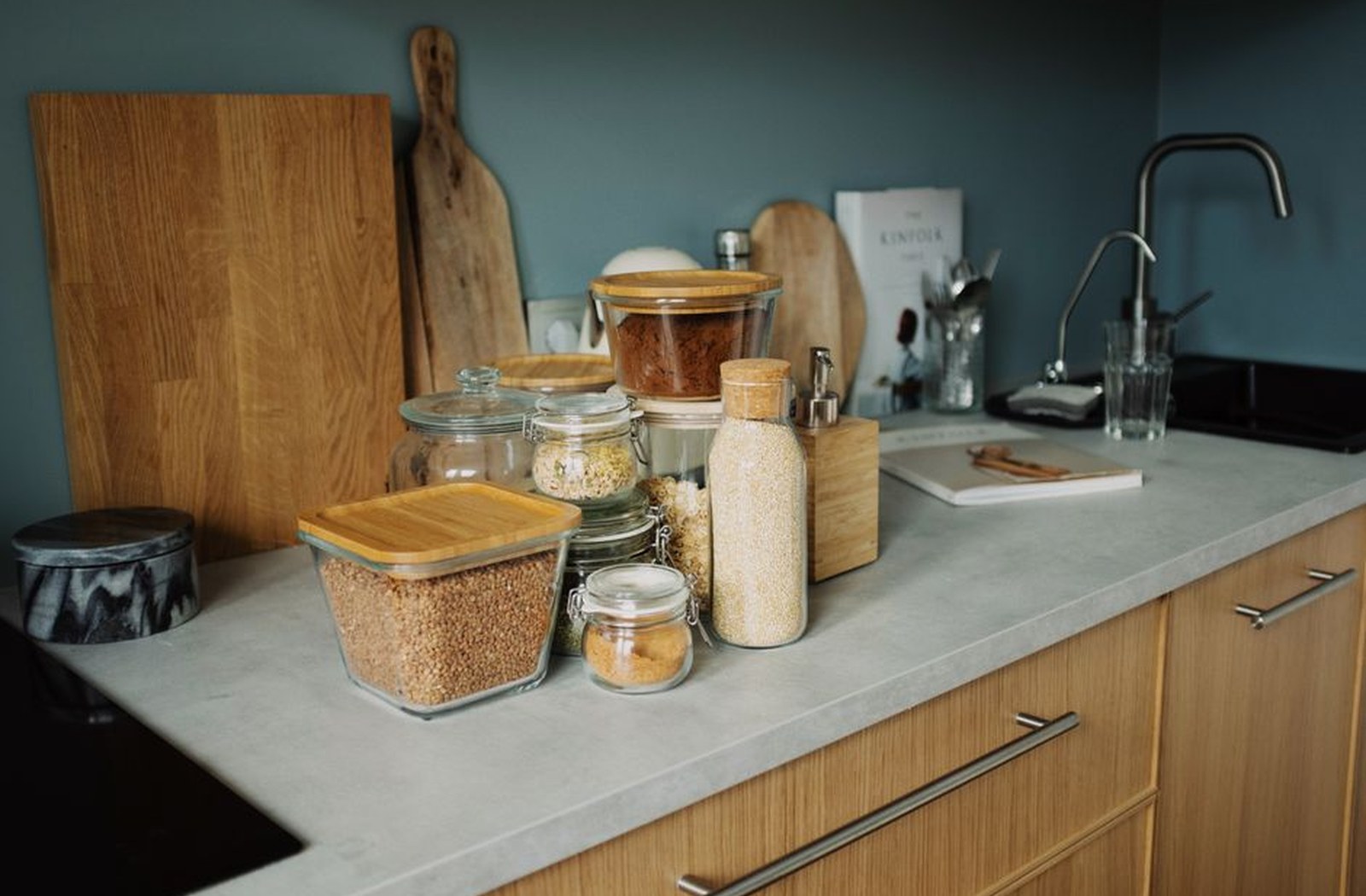
A good pantry does not need to look like a shop shelf. Its job is simpler: to make an ordinary meal possible when there is no special plan. A few grains, beans, tins, spices and dependable condiments can do more for weekday cooking than a cupboard crowded with one-off ingredients.
Stock patterns, not possibilities
Begin with meals you already make. If pasta appears every week, keep two shapes you genuinely use, a tin or two of tomatoes, olive oil, garlic and something salty such as capers or olives. If rice is your default, pair it with lentils, canned beans, stock, sesame oil or the spices that belong to your usual cooking.
The point is to create small ingredient families. Each family should contain a base, a source of depth, and one or two things that make the meal feel finished. This is more useful than buying unusual products because they might become inspiring later.
Make the cupboard easy to read
Visibility matters more than matching containers. Keep frequently used ingredients between waist and eye level. Group similar things together and leave enough space to see what is behind the front row. Open packets can live in simple jars if that helps with freshness, but there is no need to decant everything for appearance alone.
Once a month, take five minutes to look for duplicates and nearly empty packages. Put the oldest items forward. A pantry feels generous when ingredients move through it, not when they accumulate.
A useful cupboard is a memory aid: it reminds you what you already know how to cook.
Keep one flexible meal in reserve
Choose a pantry meal that requires almost no fresh shopping. It might be tomato pasta with breadcrumbs, lentil soup, chickpeas with rice, or noodles with sesame and chili. Keep its ingredients together often enough that you can make it without checking a recipe.
Fresh food still matters, of course. The pantry works best when it supports a few vegetables, eggs, bread or cheese rather than replacing them. A handful of spinach can become dinner when there is already rice and lentils in the cupboard; a tomato can become lunch when there are beans and good oil nearby.
The goal is not emergency preparedness or perfect organization. It is to reduce friction. When the shelves hold familiar ingredients in sensible quantities, cooking begins with fewer decisions and ends with fewer forgotten jars.