Ride to the Last Stop: Seeing a City from Its Edges
Take one ordinary bus or tram to its final stop and use the journey as a quiet way to read the changing city.
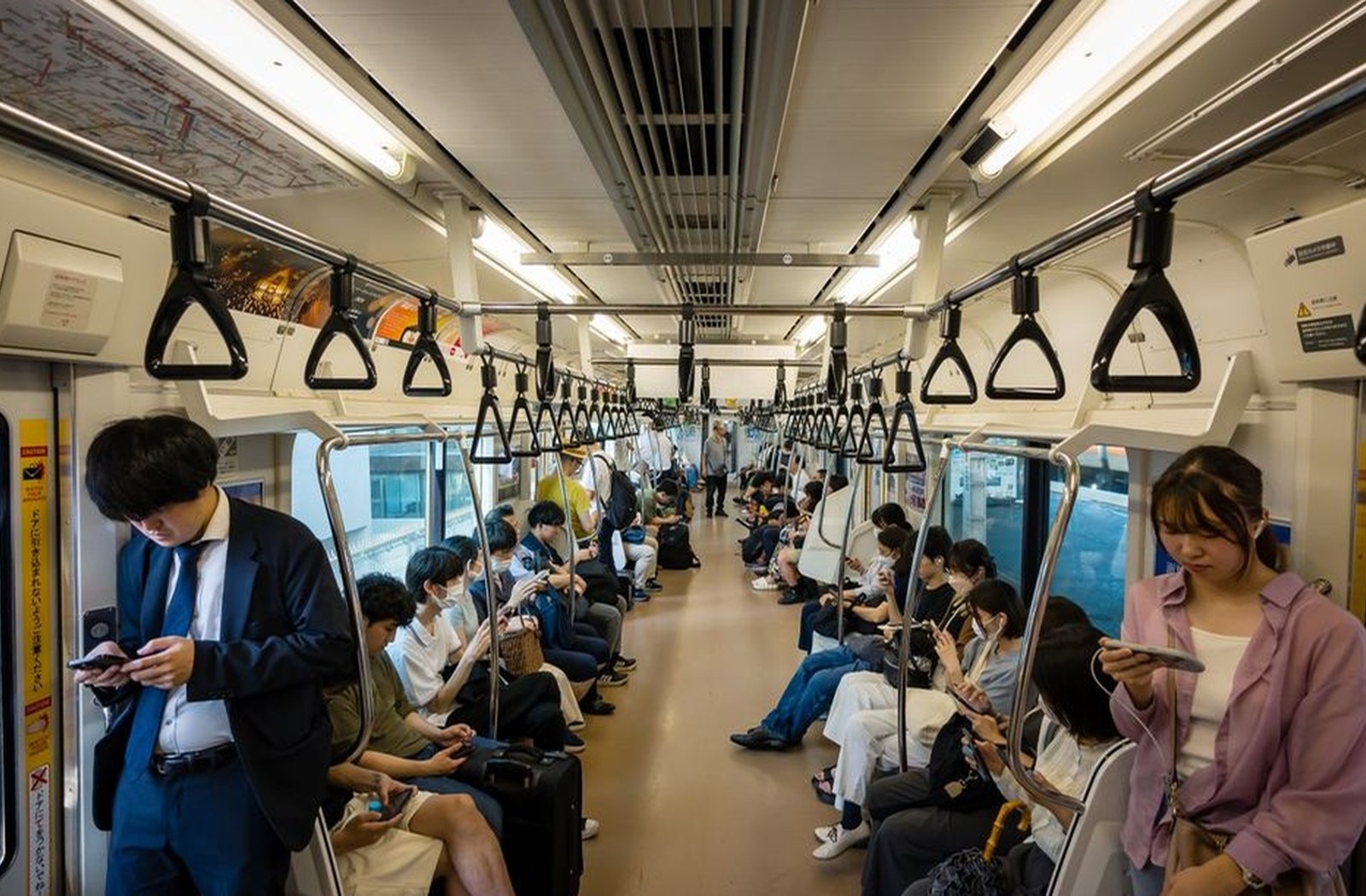
Public transport can be more than a way to get somewhere. Choose one bus or tram that crosses several neighborhoods and stay on until the final stop. The route gives you a ready-made line through the city, and because you are not choosing every turn yourself, you are free to notice how streets, buildings and daily routines change along the way.
Start somewhere ordinary
A useful route begins near a familiar part of town and continues beyond the area you normally visit. Sit by the window if you can. For the first few stops, pay attention to what you usually ignore: delivery doors, school entrances, repair shops, small gardens, balconies used for storage rather than display. These details establish the rhythm of the starting neighborhood.
Then watch for transitions. Dense shopfronts may give way to apartment blocks. Sidewalks widen, trees become more common, traffic thins, or warehouses begin to appear behind fences. Cities rarely change all at once. Their edges are usually made of gradual substitutions.
Use stops as punctuation
Every stop briefly gathers a small cross-section of local life. People get on carrying groceries, work bags, sports gear or folded strollers. You do not need to invent stories about them; simply notice what the stop connects. A hospital, a school, a market and an industrial estate create very different patterns of movement.
Keep your phone in your pocket for part of the ride. Without a map constantly telling you where you are, the route becomes easier to experience as a sequence rather than a diagram. When something catches your attention, note the stop name and come back another day on foot.
Walk the final fifteen minutes
At the last stop, do not immediately turn around. Walk for fifteen or twenty minutes. End-of-line neighborhoods often reveal infrastructure that central districts hide: depots, allotments, sports fields, utility corridors, broad roads and sudden views toward open land. They show how the city meets whatever lies beyond it.
Find a simple place for coffee or a bench, then trace the route back on a map. The useful question is not whether the destination was impressive. It is what changed between the first stop and the last. One slow ride can make the city feel less like a collection of destinations and more like a continuous, inhabited place.